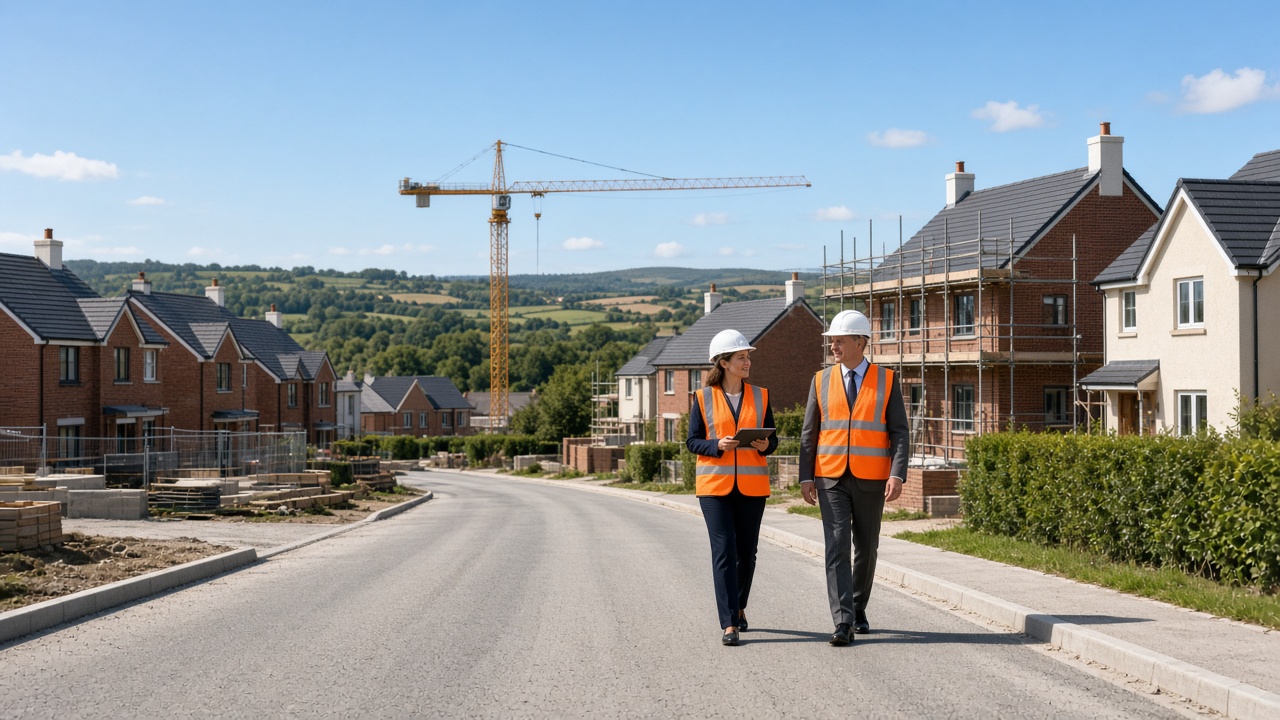
What Does a Residential Surveyor Do? UK Career Guide and Pay
What residential surveyors and valuers do, what they earn, how to qualify with RICS or the Sava diploma, and why the UK needs a new generation of them.
Almost every home sold in the UK passes through the hands of a residential surveyor. If there's a mortgage, a lender wants a valuation. If the buyer is sensible, they want a survey too. And in Scotland, a Home Report with a survey and valuation is needed before a property can even be marketed. That makes residential surveying one of the most steady, quietly essential jobs in property, and right now one of the most in need of fresh talent.
Here's what it involves, what it pays and how to qualify.
What does a residential surveyor actually do?
In plain English: they inspect homes and tell people what they're worth and what condition they're in.
A typical day might start with a mortgage valuation on a 1990s semi, move on to a detailed survey of a Victorian terrace with a suspicious bulge in the back wall, and finish at your desk pulling comparable sales and writing it all up. Most work falls into two buckets.
Valuations. For a lender, a buyer, a landlord or for tax and probate. RICS describes the process well: inspect every room and outside space, measure, note age, access, parking and plot, research comparable transactions, then produce a report to the RICS Red Book global standards.
Home surveys. Under the RICS Home Survey Standard there are three levels. Level 1 is a basic condition report for newer, conventional homes. Level 2 (the old HomeBuyer Report) adds more detail and can include a valuation. Level 3 (formerly a Building Survey) is the full, in-depth job for older, altered or unusual properties. An inspection takes anything from two hours to a full day.
Many surveyors add buy-to-let surveys, new-build snagging, retrofit advice and expert witness work. The RPSA's Survey of Surveyors '26 found most independents do two to four surveys a week, with most work coming directly from homeowners.
How is this different from a building surveyor? There's overlap, and we've covered building surveying separately. The short answer is that residential surveyors live in the world of homes, transactions and value. Building surveyors range across commercial buildings, refurbishments and project work.
Who employs residential surveyors?
You've got three main options:
- Large surveying firms and panel managers that carry out mortgage valuations for lenders. Great for structured training and a steady flow of work.
- Independent practices, often one or two surveyors serving local buyers. The RPSA survey found only around 10% of its respondents worked in larger practices.
- Estate agency groups, housing associations and councils, which need valuers for sales, stock condition and right-to-buy work.
Plenty of experienced surveyors also go self-employed, which is completely normal in this corner of property.
What does a residential surveyor earn?
Pay depends on qualifications, region and whether you're employed or on your own. Here's what the published sources say:
- The National Careers Service puts land and property valuers at about £25,000 to start and £50,000 when experienced, on a 37 to 40 hour week.
- RICS quotes graduate and entry-level valuation pay of £23,000 to £30,000, an average of £45,000 to £48,000, and says chartered status can take you over £70,000, before bonuses, car allowance, pension and healthcare.
- Live listings on RICS Recruit regularly advertise qualified residential valuation surveyor roles at around £50,000 to £65,000 depending on experience, plus benefits.
Car allowances are common because you'll be on the road most days.
Qualifications and regulation
This is a regulated, professional job, and that's a big part of its appeal. RICS Home Survey reports can only be completed by an RICS member (AssocRICS, MRICS or FRICS) with the right experience. If the service includes a valuation, the surveyor should also be an RICS Registered Valuer, which comes with ongoing monitoring against the Red Book.
There are several routes in:
- A RICS-accredited degree in real estate or surveying, then the Assessment of Professional Competence (APC) for chartered status. The APC needs at least 24 months of structured training.
- A postgraduate conversion course if you already have a degree in another subject.
- The Chartered Surveyor Level 6 Degree Apprenticeship, which takes around five years and means no student debt. There's also a Level 3 Surveying Technician apprenticeship for school leavers.
- The ABBE Level 6 Diploma in Residential Surveying and Valuation, offered only through Sava. Pair it with the RICS ethics module and you can join RICS on the AssocRICS pathway. This is the classic route for career changers.
Other bodies worth knowing are the RPSA (Residential Property Surveyors Association), CABE and CIOB.
The skills that matter
You need a good eye for how houses are built and how they fail: damp, movement, roofs, dodgy extensions. You need comfort with numbers for valuations, and calm, clear communication, because you'll often be telling a nervous first-time buyer their dream home needs a new roof.
Integrity matters more than anything. Lenders, buyers and courts rely on your figure, so you must be willing to stand by an honest number even when an agent or seller would prefer a bigger one.
AI and automated valuations: threat or opportunity?
Lenders are using automated valuation models (AVMs) more and more for simple, low-risk remortgages. I don't see that as bad news. As LRG Surveyors' Ryan Mathews argued in March, the work that remains and grows is the complex stuff: unusual homes, older stock, development appraisals and professional judgement. RICS has even published a professional standard on the responsible use of AI in surveying.
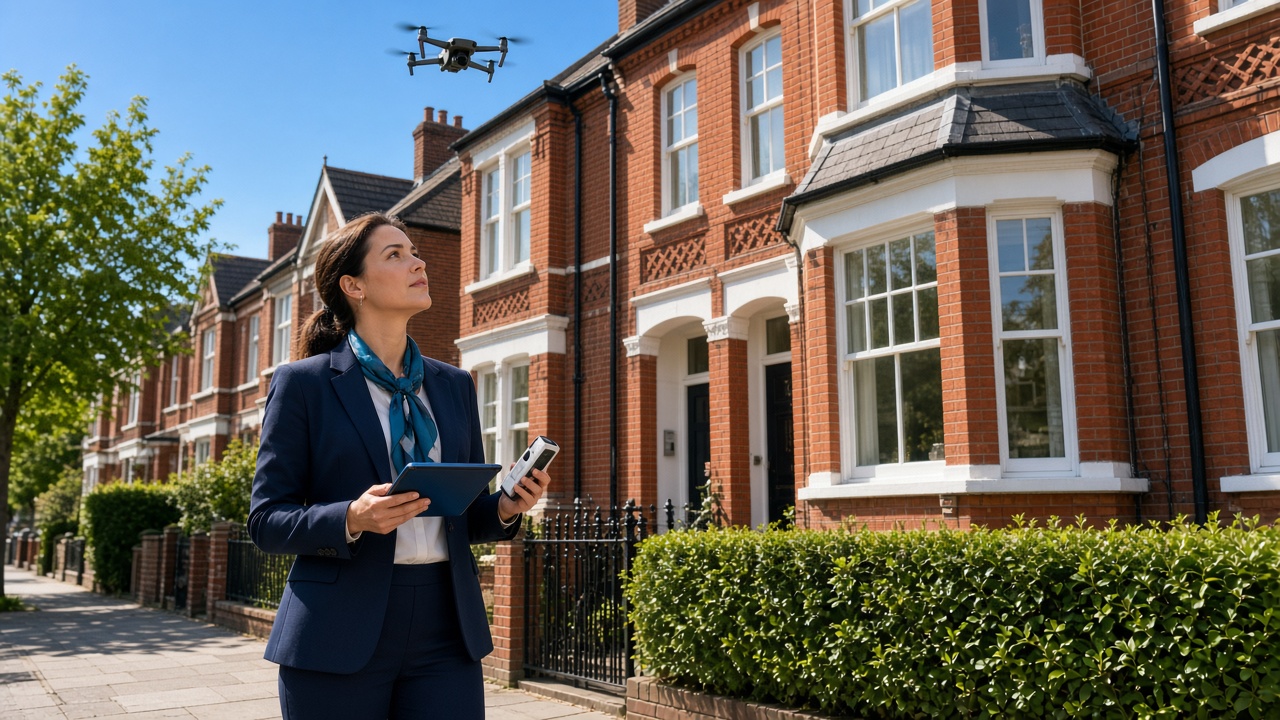
AI tools such as Grok Bot, Claude and ChatGPT can help turn site notes into a draft report or explain a defect in plain English for a client. Drones and thermal imaging are already common kit. Your name still goes on the report, so you check everything, but the admin gets lighter.
Why now is a great time to start
The workforce is ageing fast. The RPSA survey found an average respondent age of around 53, and more than 46% don't expect to be working beyond the next decade. Government reforms to home buying could also bring upfront condition reports into the sales process, which would mean more inspections, not fewer. Fewer surveyors plus more demand is a very good equation for anyone joining now.
How to get started
Shadow a surveyor for a day if you can. Look at graduate schemes and apprenticeships with the big valuation firms, or the Sava diploma if you're changing careers, and start learning your local market.
Ready to take the first step? Browse residential surveyor and property jobs across the UK.