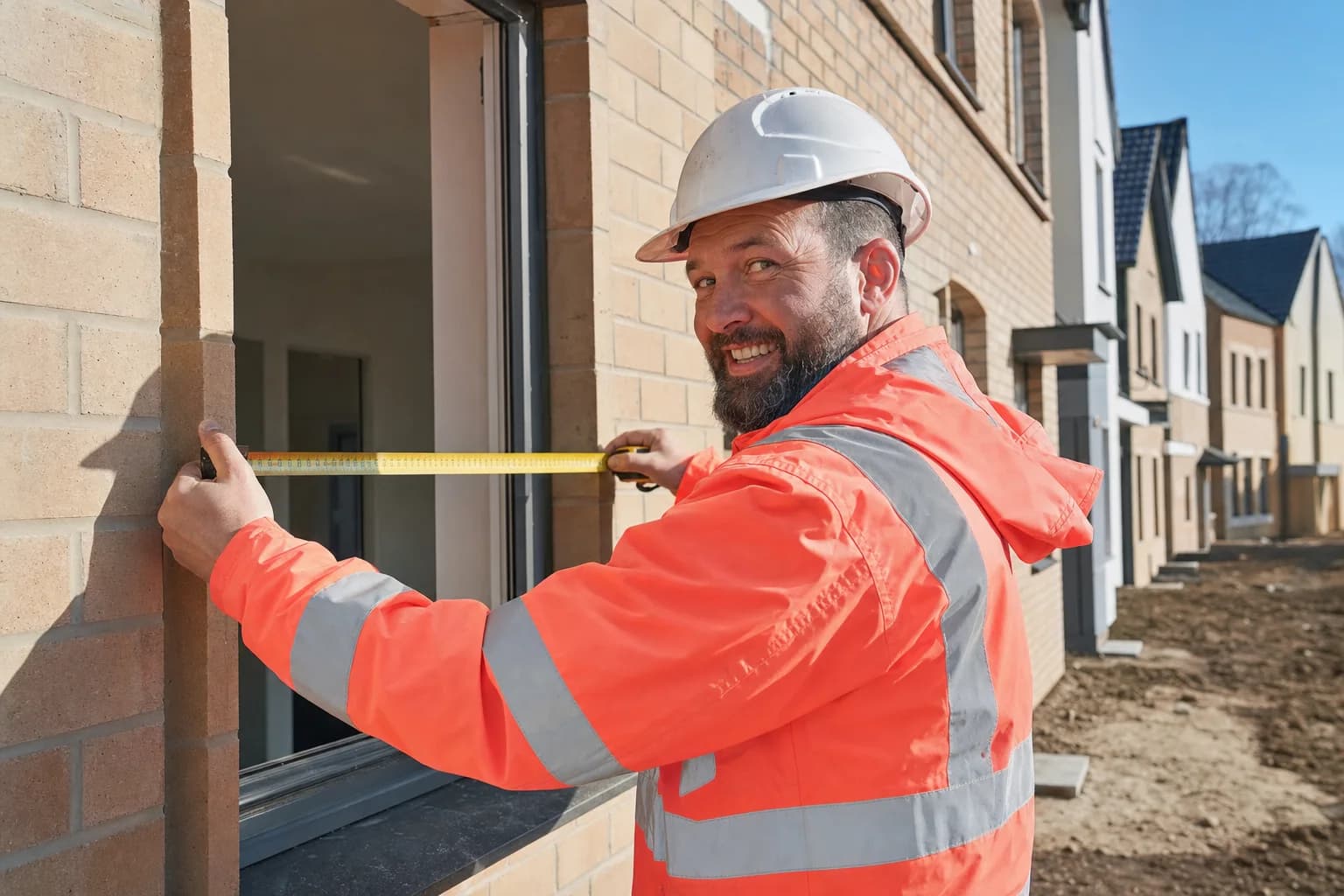
Who is AssocRICS for?
AssocRICS suits people doing the technical work of surveying day to day: surveying technicians, assistant building surveyors, junior quantity surveyors, facilities staff, geomatics technicians and similar roles. RICS frames the qualification as proof of competence for a specific role. You can enrol at any point in your career, and a degree is not required. What counts is experience that maps onto the technical competencies of the pathway you choose.
There are 13 Associate sector pathways, against 22 for chartered membership. Associate pathways include Building Control, Building Surveying, Commercial Real Estate, Facility Management, Geomatics, Land and Resources, Project Management, and Quantity Surveying and Construction. Pick the one closest to your actual job, because every competency you write about has to be backed by real work.
How the Associate assessment works
The assessment is written, with no routine interview. You submit a summary of experience of up to 3,000 words, split into 2,000 words on technical competencies and 1,000 on mandatory competencies. You add a case study of up to 2,500 words on a project you worked on within the previous 24 months, covering at least two technical competencies. You also need a record of 48 hours of CPD from the last 12 months, with at least half of it structured learning.
Before submitting you must pass the RICS Professionalism module: four e-learning modules on the Rules of Conduct and a 20-question ethics test. A pass stays valid for 12 months. Two trained RICS members assess your submission and you get the result within one month of the submission deadline. If you are referred, you get a report explaining why. RICS may also call some candidates to a verification interview to confirm the work is their own.
What AssocRICS lets you do
Once you pass, you can put AssocRICS after your name. That tells employers and clients you have been tested against a recognised competency standard and are bound by the RICS Rules of Conduct. Associates can act as counsellor and proposer for other Associate candidates, so you can bring your own juniors through. Like every RICS professional, you must then complete at least 20 hours of CPD each year.
The step up to MRICS
Chartered status is the senior grade. It asks for a wider range of competencies at a deeper level, including the ability to give reasoned advice. RICS says every route from Associate to chartered involves more study or training, a further period of experience at an advanced level, and passing the APC final assessment, which includes an interview with chartered members.
Current MRICS eligibility is relevant experience plus an RICS-accredited degree, or five years' relevant experience plus any bachelor's degree, or ten years at an advanced level. RICS's Associate progression guide, dated August 2021 and still linked from its progression page, also sets out a study hours route: four years' experience after AssocRICS plus relevant study hours. The study does not have to come from an RICS-accredited qualification.
Pay
GBP a year, before tax. Lower to upper quartile for surveying jobs, from ONS Annual Survey of Hours and Earnings April 2026 (provisional), moved to 2026 with a wage index. Regional figures are modelled. The data covers all surveying roles, chartered staff included, so Associate-level technician roles will usually sit nearer the lower figure. Refer to the Surveying salary guide for figures from live adverts.
What you need
- Relevant experienceFour years' experience, or two years plus an RICS-approved RQF level 3, 4 or 5 qualification, or one year plus an approved level 6 qualification. Experience must relate to the technical competencies of your pathway.
- A counsellorYou need an RICS-qualified counsellor who is AssocRICS, MRICS or FRICS. They guide you and confirm when you are ready, and they can also act as your proposer.
- Professionalism moduleFour e-learning modules and a 20-question ethics test, passed no more than 12 months before you submit.
- Written submissionA summary of experience of up to 3,000 words, a case study of up to 2,500 words on work from the last 24 months, and 48 hours of CPD from the last 12 months.
- Fees (UK)RICS lists a £350 Associate assessment fee and a £130 candidate subscription, paid at enrolment, plus a one-off £131 election fee on qualifying.
- Time limitsYou have six years from enrolment to qualify. You can make up to five attempts. Attempts made before 1 January 2026 do not count towards that total.
- Recognised Professional QualificationMembers of some other professional bodies may join without the full assessment. You need an MRICS or FRICS proposer, a recent CPD record, a membership letter from your body and a pass in the Professionalism module.
How to get there
- Year 0Get into a surveying roleStart as a trainee or technician, or take the Level 3 surveying technician apprenticeship (ST0332). For that apprenticeship RICS runs the end-point assessment, and it uses the Associate assessment.
- Any timeEnrol and choose a pathwayRegister with RICS, pick one of the 13 Associate pathways and find a counsellor. Your six-year window to qualify starts here.
- Years 1-4Build the experienceLog work against your pathway's competencies until you meet the experience rule for your qualification level.
- Before submissionPass the Professionalism moduleComplete the e-learning and the ethics test within 12 months of submitting.
- 6-12 monthsSubmit and get assessedSend your summary of experience, case study and CPD record. RICS says the process takes 6 to 12 months depending on experience, with results within a month of the deadline.
- After AssocRICSProgress to MRICSGain advanced experience and further study, then pass the APC final assessment and interview.
Open now on PropertyRoles.uk

Questions people ask
Do I need a degree to become AssocRICS?
No. Four years' relevant experience is enough on its own. An approved qualification shortens this to two years at RQF level 3 to 5, or one year at level 6.
Is there an interview for AssocRICS?
The standard Associate assessment is a written submission reviewed by two assessors. RICS may select some candidates for a verification interview to check how involved they really were in the work described, for example where plagiarism or misuse of AI is suspected.
How much does AssocRICS cost in the UK?
RICS lists a £350 Associate assessment fee and a £130 subscription, both paid when you enrol, and a one-off £131 election fee once you qualify.
What happens if I fail the Associate assessment?
You are referred and given a report explaining the gaps. Before resubmitting you normally agree a plan with your counsellor, gain more experience, update your summary and CPD, and revise or replace your case study. You then get reassessed on the whole submission.
Can I go straight to MRICS instead?
Yes, if you meet the chartered rules: relevant experience with an RICS-accredited degree, five years' experience with any bachelor's degree, or ten years at an advanced level. AssocRICS is a separate grade and you do not have to take it first.
Who can be my counsellor?
Any AssocRICS, MRICS or FRICS member. They support your training and must be satisfied you have reached the required level in every competency before you submit.
Sources
- RICS: Associate Member (AssocRICS)
- RICS: Associate submissions and assessment
- RICS: Associate Assessment candidate guide, August 2026
- RICS: AssocRICS end point assessment (Surveying technician), August 2026
- RICS: Join fees
- RICS: Sector pathways
- RICS: Progression from AssocRICS to MRICS
- RICS: Associate progression candidate guide, August 2021
- RICS: Chartered Member (MRICS)